
Predictive Analytics Services
Forecast demand, flag risks early, and act with confidence using models built around your data.
Trusted By Leading Brands
★★★★★

★★★★★

★★★★★


Book a Free Consultation
Response within 1 Business Day!
Years of Industry Experience
Apps Successfully Delivered
Client Satisfaction
Client Retention Rate
Industry-Recognized Excellence
.png)
.png)
.png)
Data-Driven Predictive Analytics Services
Data Strategy & Analytics Roadmapping
Jumping straight into analytics tools without a clear plan usually wastes investment. We translate business vision into a concrete roadmap through stakeholder workshops and KPI definition.
- Stakeholder workshop facilitation
- ROI and KPI analysis
- Governance framework design
- Technology stack selection
Technologies We Use

Book A FREE Consultation With Us
Technology Stack We Use Advanced Tools for Advanced Solutions




Our Process for Delivering the Best Custom Predictive Analytics Solutions
Our Portfolio

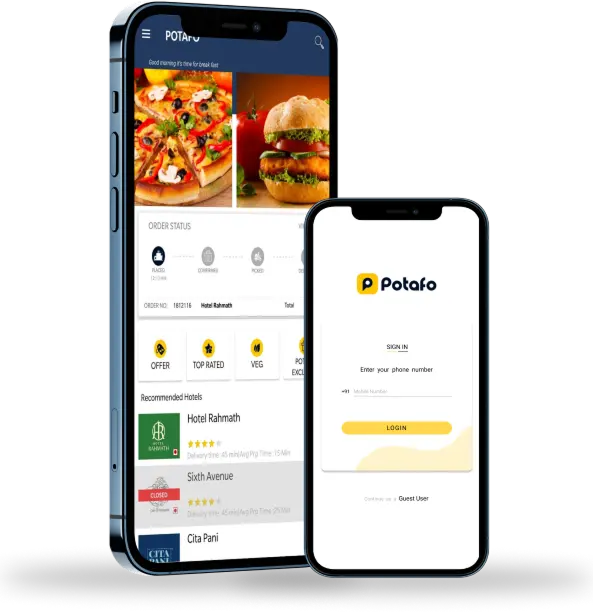
Potafo: Food Delivery App
Potafo is a multi-vendor delivery app for food, groceries, and medicines. Developed by Softkingo, it helps businesses streamline operations and achieve up to 70% business growth.
Country
India
Platforms
iOS Android Web
Techstack
Flutter Python Mysql




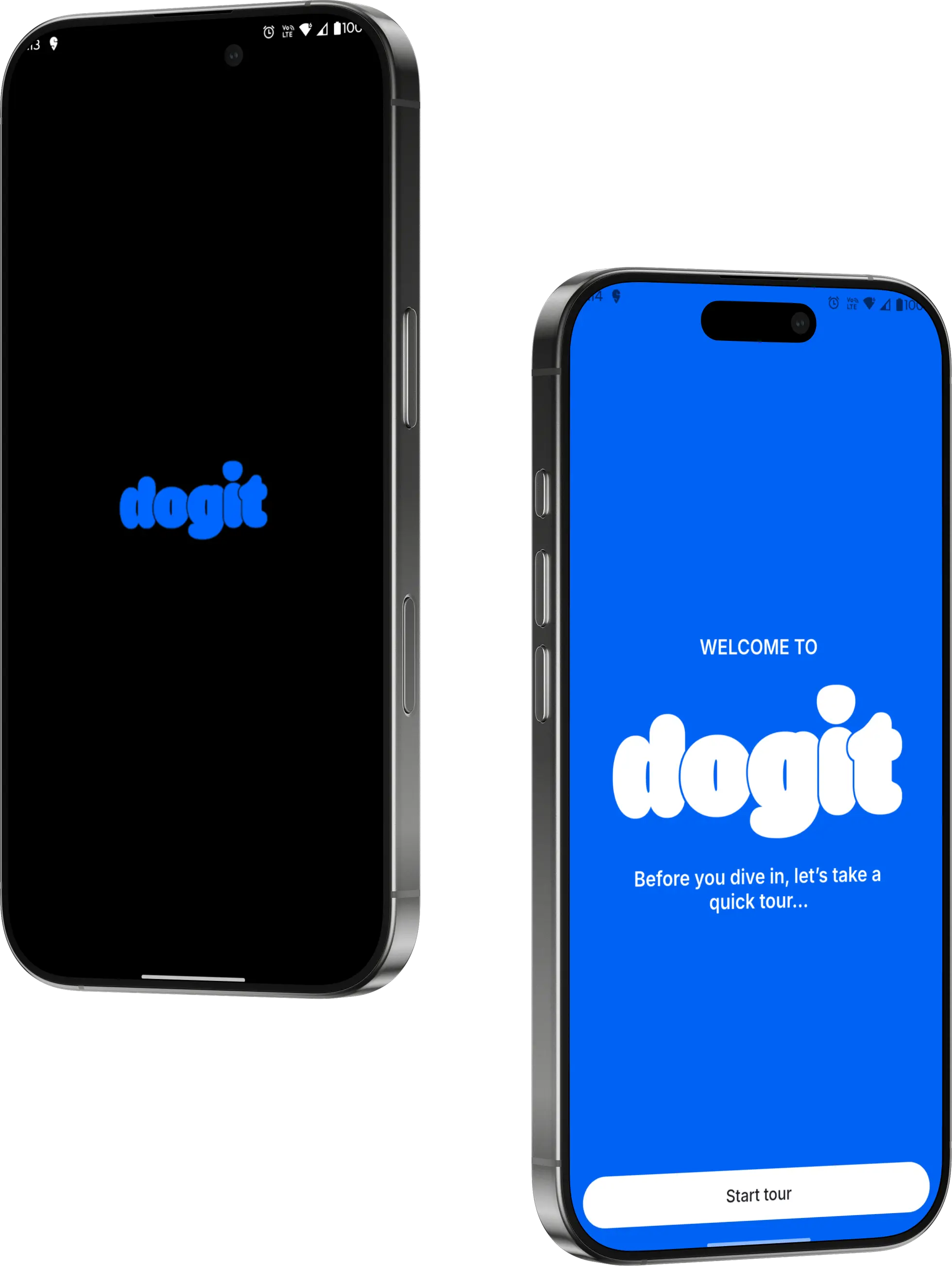
Dogit: Pet Care App
Softkingo developed Dogit, a smart Pet Care App with pet profiles, health tracking, reminders, and appointments. Looking to build a similar pet care app? We can build for you.
Country
Australia
Platforms
iOS Android
Techstack
React Native · Nodejs · Nextjs · Mysql

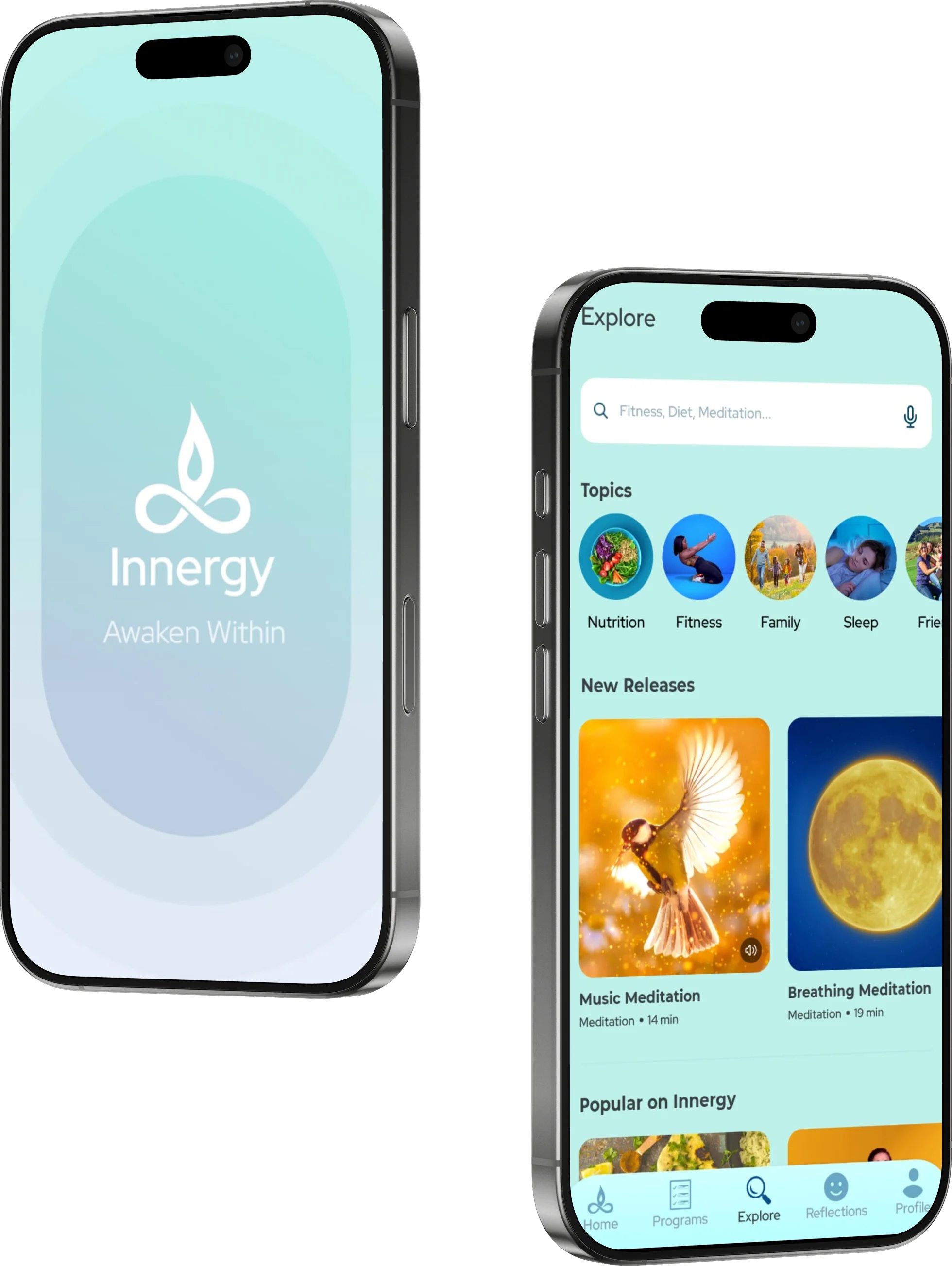
Innergy: Meditation and Wellness app
Innergy is a meditation and wellness app offering guided meditations, stress relief, better sleep, mindfulness, workouts, and nutrition tips for holistic wellbeing.
Country
India, Canada
Platforms
iOS Android Web
Techstack
React Native GraphQL Next.js MySQL

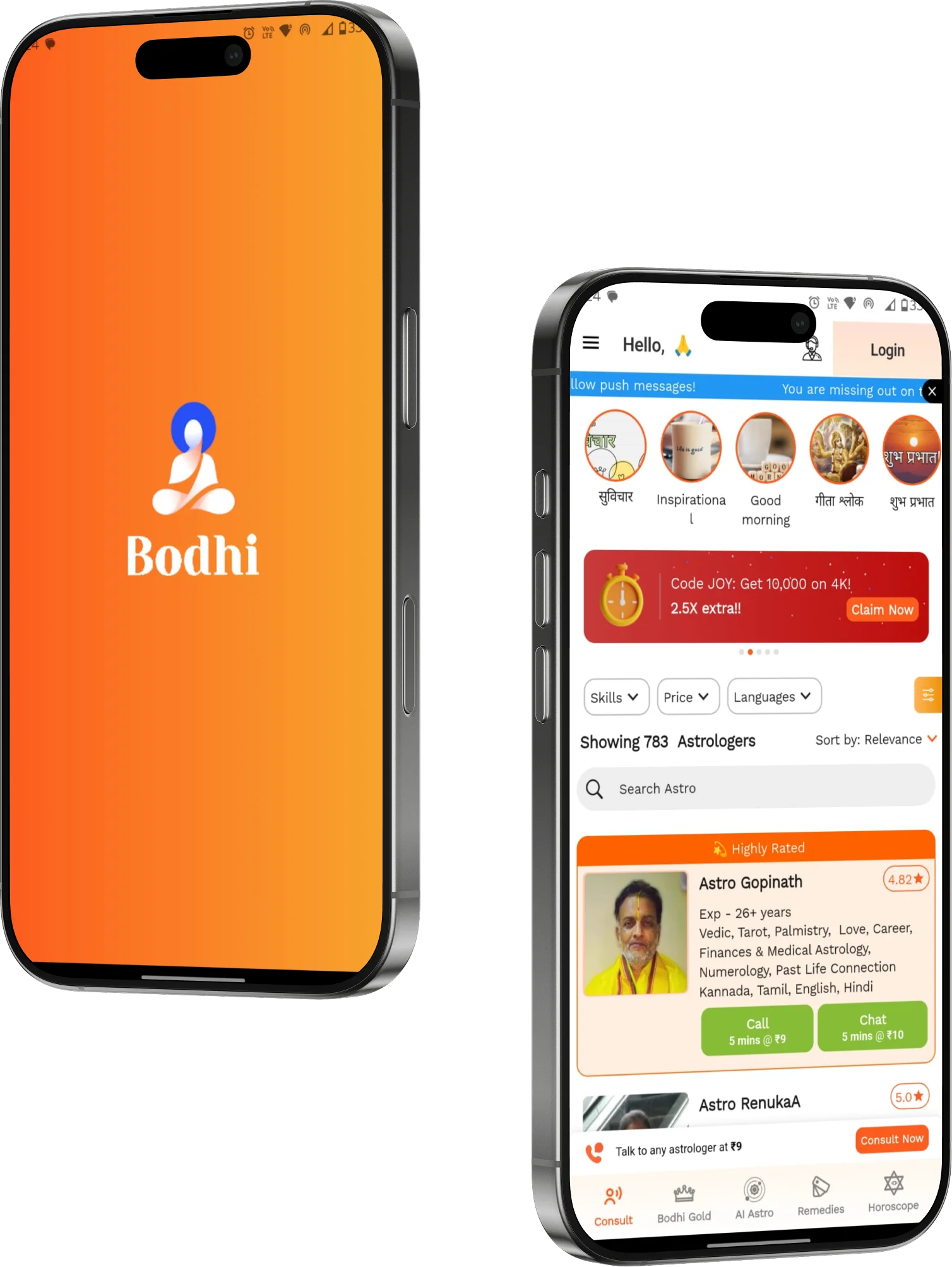
Bodhi: Astrology App
Bodhi is a one-stop astrology app offering calls and chats with expert astrologers, daily to yearly horoscopes, and trusted guidance on love, career, and life decisions today Now.
Country
India
Platforms
iOS Android Web
Techstack
React Native Gatsby JS Nodejs MySQL

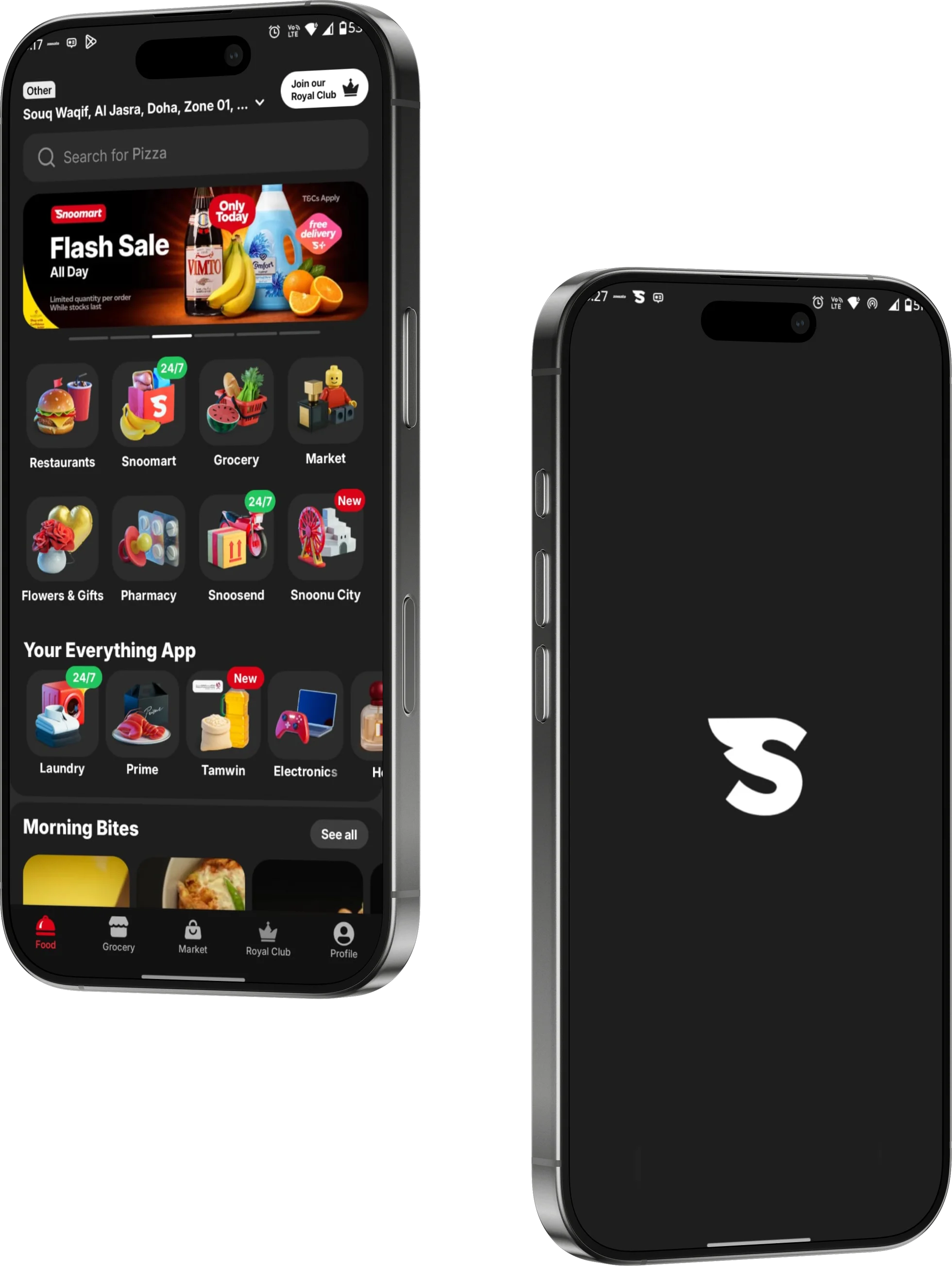
Snoonu - Super App For Food, Groceries & Services
Snoonu is Qatar’s trusted super app, offering fast food delivery, grocery shopping, laundry, car services, and ticket booking—bringing everything you need to your doorstep, and reliably.
Country
Qatar
Platforms
iOS Android Web
Techstack
React Native Nodejs Nextjs Mongodb

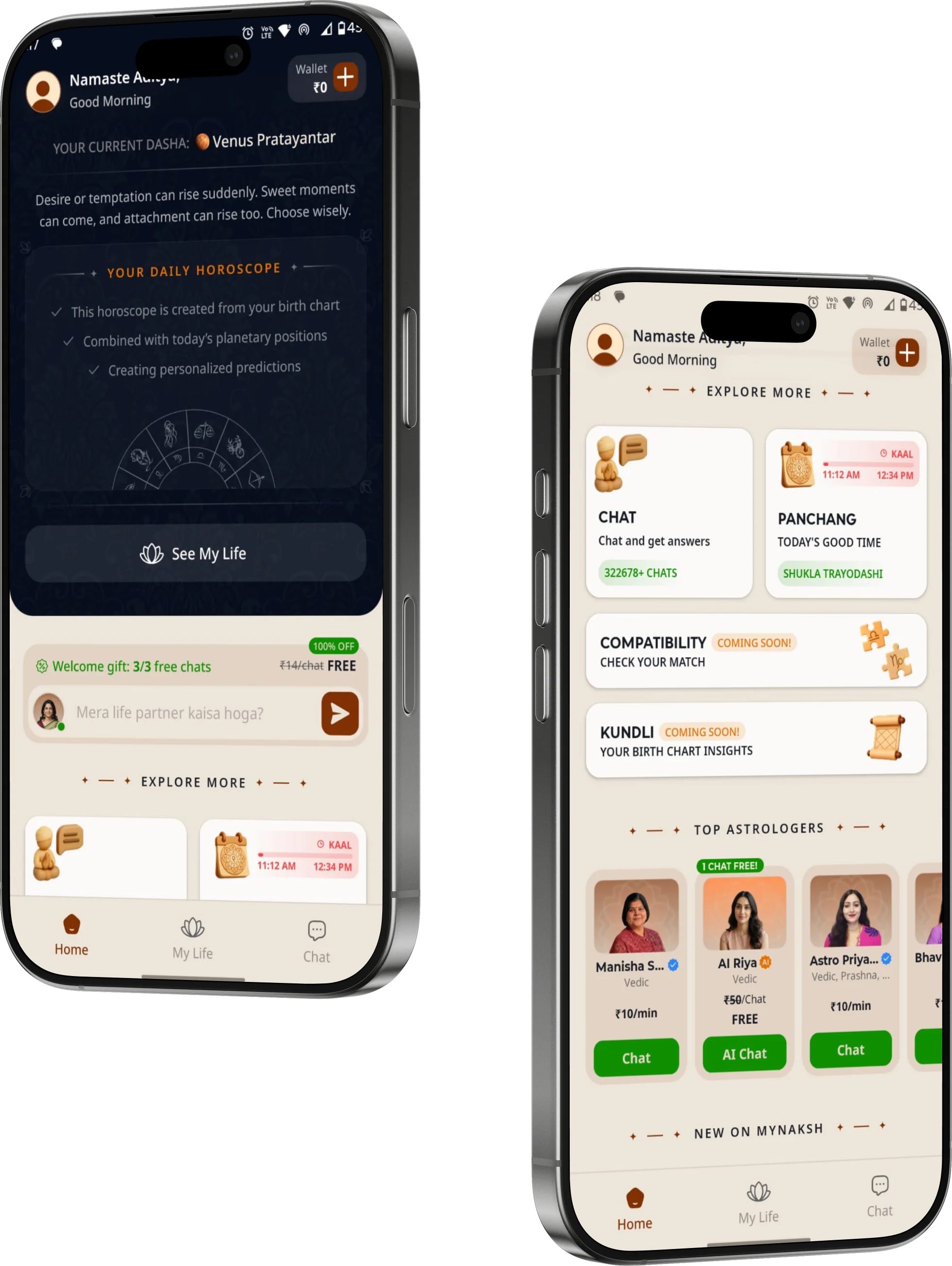
MyNaksh: Astrology App
Mynaksh Astrology is a platform that offers personalized astrological insights based on birth charts, nakshatras, and planetary alignments to guide life, relationships, and career decisions.
Country
India
Platforms
Android · Web
Techstack
Kotlin · Python · Mongodb

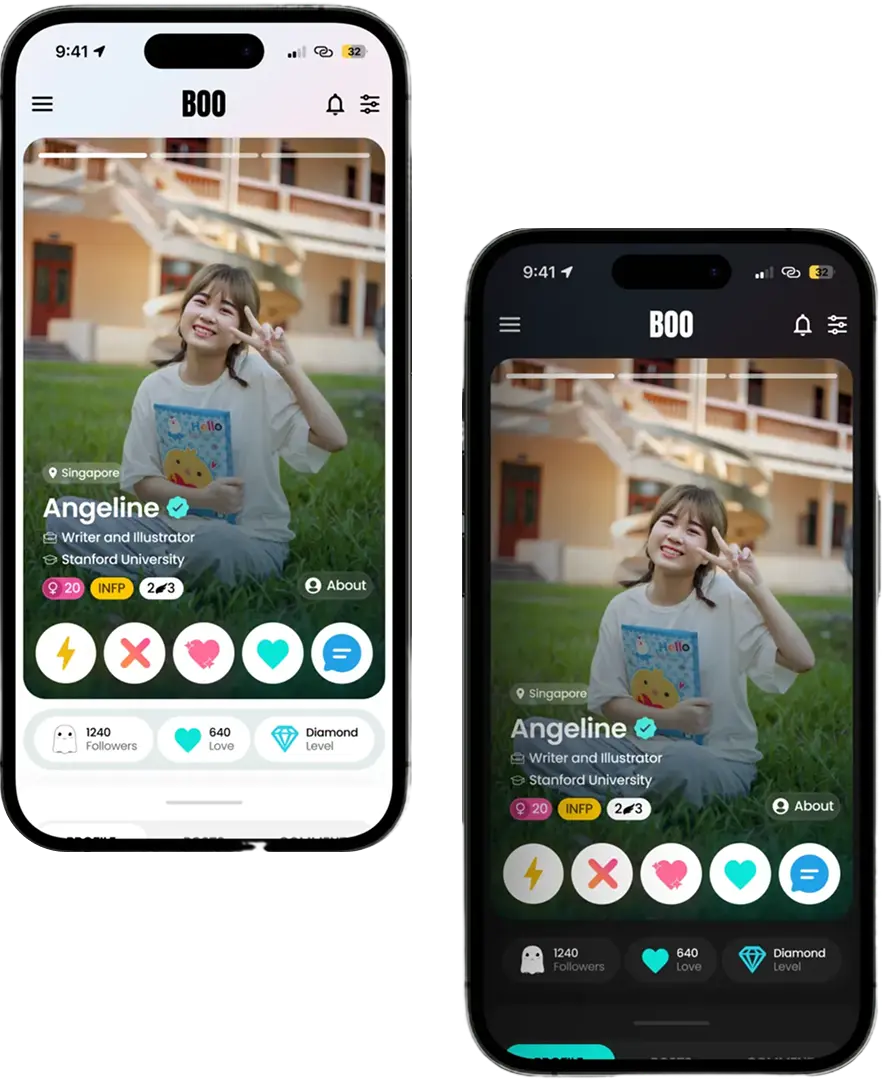
Boo: Dating and Social App
Boo is a dating and social app that matches like-minded friends and partners using personality psychology like MBTI and Enneagram, with deep profiles, interests, and compatibility insights.
Country
USA
Platforms
iOS · Android · Web
Techstack
Flutter · Nodejs · Mongodb
Adaptive Software for Dynamic Industries
We build systems that evolve alongside changing regulations, demand, and operations.
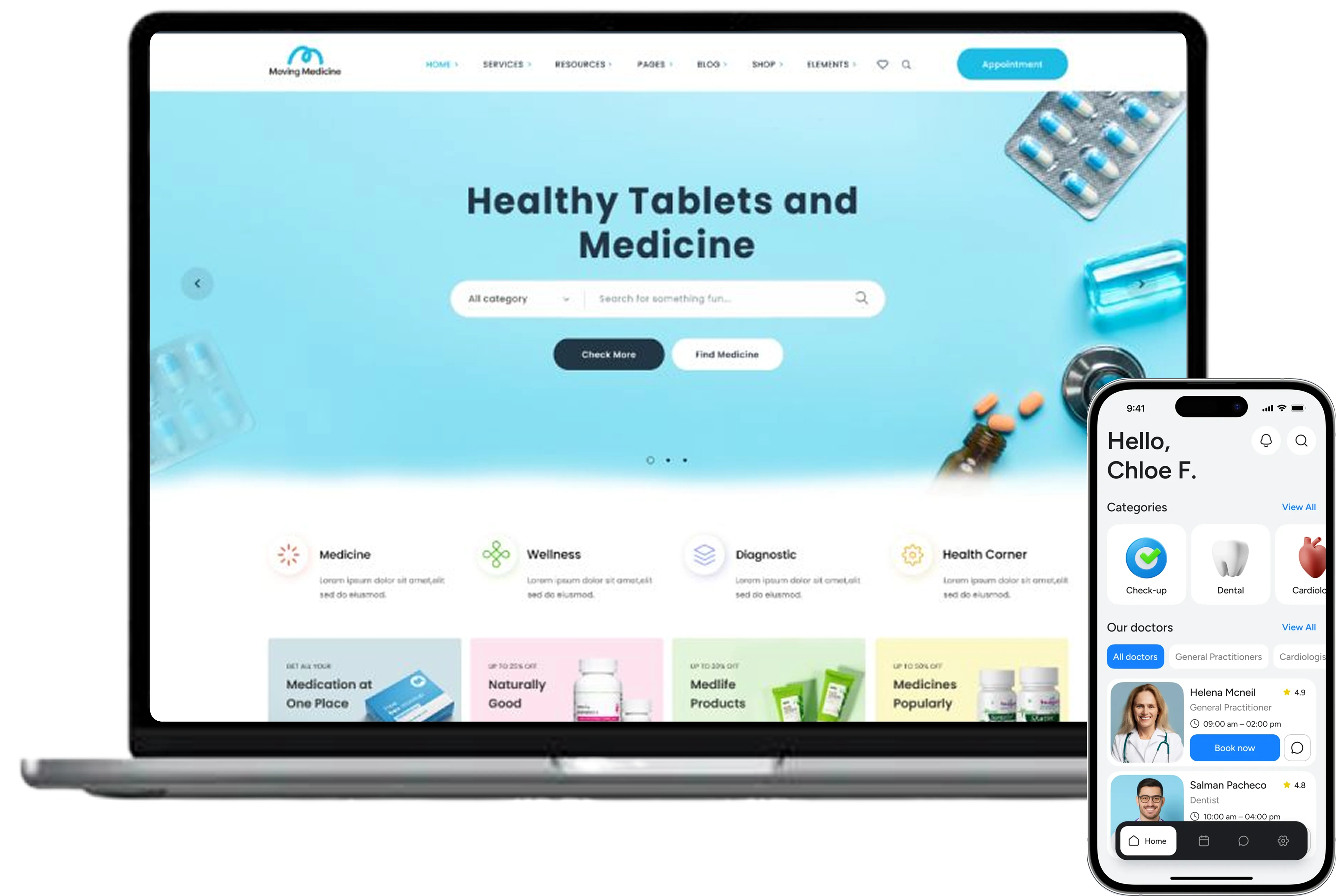
Healthcare
Modern healthcare operations can become more accessible through structured solutions connecting clinical teams, patient needs, and essential medical workflows.
User Guide Technical Documentation
Frequently Asked Questions
Predictive analytics uses historical and real-time data, combined with statistical modeling and machine learning, to forecast future outcomes. The process starts with data collection and preparation, then moves to model development, where algorithms learn patterns and relationships within your data. Once validated, these models generate scores or forecasts that guide real business decisions.
Traditional BI focuses on describing past and current states through dashboards and descriptive metrics — essentially telling you what already happened. Predictive analytics goes a step further, applying statistical techniques and machine learning to estimate what's likely to happen next, rather than just showing you what's already occurred.
By turning raw data into forward-looking insights, predictive analytics helps you anticipate demand, optimize processes, and tailor customer interactions before issues arise. This proactive approach can reduce costs, boost revenue, and strengthen strategic planning by surfacing opportunities and risks ahead of time — not after the fact.
Predictive analytics can work with both structured and unstructured data — transaction records, sensor outputs, CRM logs, customer feedback, even images or video. The key is integrating and properly engineering these diverse sources, so the resulting models have a complete view of everything influencing the outcome you're trying to predict.
Accuracy depends on data quality, model complexity, and how relevant historical patterns remain to future conditions. With proper validation, continuous performance checks, and regular model retraining, we help you achieve strong precision, making predictions a reliable guide for real business decisions.
This varies by use case — simple models may only need a few months of data, while more complex forecasts benefit from several years of history. While a longer data history helps capture seasonality and rare events, even a modest dataset can add real value with the right feature engineering. We help you determine exactly how much historical data is genuinely needed for your specific use case.
Yes. Models can be delivered through APIs, batch jobs, or embedded microservices — whether you need to connect with your ERP, CRM, or IoT platforms. We make sure integration is seamless, so forecasts show up exactly where your teams already work, rather than in a separate disconnected tool.
A strong platform should offer end-to-end workflows — data preparation, automated model training, explainability, real-time scoring, and monitoring dashboards. Custom solutions should also include easy integration, version control for models, and built-in tools for retraining as conditions change over time.
Predictive analytics moves enterprise forecasting away from static, spreadsheet-driven methods toward dynamic, data-driven projections. This gives teams continuously updated forecasts that adapt to new information, enabling faster responses and more accurate planning across finance, supply chain, and other core functions.
Enterprise-grade solutions should enforce encryption both at rest and in transit, along with role-based access controls and detailed audit logs. We also align with standards like GDPR and ISO 27001, ensuring your data and the insights derived from it stay protected throughout the entire analytics lifecycle.
Cost varies based on project scope, data complexity, and integration requirements. A typical engagement covers consulting, model development, software integration, and ongoing support — we usually structure the work in phases, so your investment aligns with early value delivery and clear, measurable milestones.
Honestly, just two things — your business expertise and access to your data. We'll handle the complex analysis, but your deep understanding of the problem we're solving is genuinely irreplaceable. The more context you can share upfront, the faster and more accurately we can deliver value.
This depends on the project's complexity and how ready your data is. A focused project, like a churn prediction model, can often deliver initial insights within a couple of months. Larger, company-wide integrations can take several months longer. We'll always give you a clear, phased timeline before starting any work.
Not at all — this is actually the most common starting point we see. A significant part of our process involves data triage and cleaning. We expect data challenges going in; it's our job to identify them, fix what we can, and build a robust model with the data that's available, while being upfront about any limitations along the way.
We define success based on your actual business metrics, not just technical ones. Before any development begins, we agree on the specific outcome we're aiming to impact — like reducing customer churn by a set percentage or improving conversion rates. That agreed-upon goal becomes our true north throughout the project.
This is a top priority for us. Your data is never used for any purpose beyond your specific project. We stay compliant with major data protection regulations and are happy to sign NDAs and specific data processing agreements upfront, so you have full confidence in how your data is handled.
We mitigate this risk from the very start by building and validating multiple models to find the best-performing one, while staying transparent about its confidence levels. If a model underperforms during testing, we go back to development at no additional cost to you — our goal is to deliver a solution that actually works, not just a report.
Yes, absolutely. All custom models, code, and insights generated from your data belong to you. We transfer full IP ownership to you upon project completion and final payment.
What Our Clients Say
Real feedback from teams we've worked with—focused on delivery quality, communication, and outcomes.
The team at Softkingo showed exceptional professionalism in developing and designing our brokerage firm's mobile app. They took full ownership of the project, ensuring our needs were met and delivering a high-quality product that exceeded expectations.

Steve Coast
Owner, Crestone Business Group, US

Their SEO services for our healthcare company have been outstanding. With their dedication and expertise, they’ve significantly improved our online presence. They are a valuable partner for achieving long-term digital success. Highly recommended!

Andrew Schultz
Founder at Deleela Mobile App, UAE
What Our Clients Say
Real feedback from teams we've worked with—focused on delivery quality, communication, and outcomes.
The team at Softkingo showed exceptional professionalism in developing and designing our brokerage firm's mobile app. They took full ownership of the project, ensuring our needs were met and delivering a high-quality product that exceeded expectations.
Steve Coast
Owner, Crestone Business Group, US
Their SEO services for our healthcare company have been outstanding. With their dedication and expertise, they’ve significantly improved our online presence. They are a valuable partner for achieving long-term digital success. Highly recommended!
Andrew Schultz
Founder at Deleela Mobile App, UAE
I highly recommend Softkingo, a top-notch web developer who exceeded my expectations with exceptional expertise. They re-developed our app and website. Recently our efficiency as increase by 80%.

Leah Carney
Senior Business Development Associate at Haddad Brand

Softkingo did an excellent job with the mobile app development and design for our accounting firm. The app is user-friendly, professional, and perfectly tailored to our needs. Highly recommend their services!

Ersin Asutay
Founder & CEO at Aydan Smith, London, UK

Softkingo developed a fantastic, user-friendly mobile app for our real estate agency. It’s visually appealing, feature-rich, and boosted engagement, sales, and operations with a tailored solution.

Jessica Wychico
Personal Growth Advocate at The Agency RE
This is an exceptional work process all through, that we could get an app to track each building project to finishing is amazing. We recommend Softkingo.

Joseph So
Senior Electrical Engineer at GIMS M&E Consultant, Singapore
The team delivered exceptional mobile app development for our home decor company, consistently exceeding expectations. They addressed our needs effectively and ensured we were fully satisfied with the results.

Anurag Agrawal
Co-Founder at Nestasia, India
We needed an app for easy transaction and tracking customers for financial services and they delivered. Their team was responsive, professional, knowledgeable and they delivered a top notch service

Patrick Davis
Corporate Strategy Director at Finastra, London, UK
This guys are so exceptional, they completed a ui/ux website design that excels in combining clean aesthetics with easy navigation. Thank you so much Would definitely use their services everytime.

James
Co-Founder & CEO, London, UK
Thanks for the timeless innovations you make use of when building apps, I have experienced about 6% increase in app downloads since i decided to get my app redesigned. you dii well for me, thanks

Markwell Robert John
Managing Director, UK
Let's Connect
Reach out to us from anywhere in the world.

Quick Inquiry