
Hybrid App Development Services
Reach users across multiple platforms without maintaining separate codebases. We are the Best Hybrid App Development Company, We assembles high-performance solutions with consistent user experiences, faster deployment, and room to expand alongside your business.
Trusted By Leading Brands
★★★★★

★★★★★

★★★★★

Book a Free Consultation
Response within 1 Business Day!
Years of Experience
Projects Completed
Expert Team Members
Client Rating
Industry-Recognized Excellence
.png)
.png)
.png)
Our Services
Hybrid App Strategy & Consultation
Picking a framework is the easy part — the harder question is how that choice supports your business goals over the next few years. Our consulting maps technology decisions to cost, speed, and long-term flexibility.
- Business goal mapping
- Framework and platform selection
- Cost and timeline forecasting
- Long-term flexibility planning
Technologies We Use



Book A FREE Consultation With Us
Technology Stack We Use Advanced Tools for Advanced Solutions




Our Hybrid App Development Process
Our Portfolio
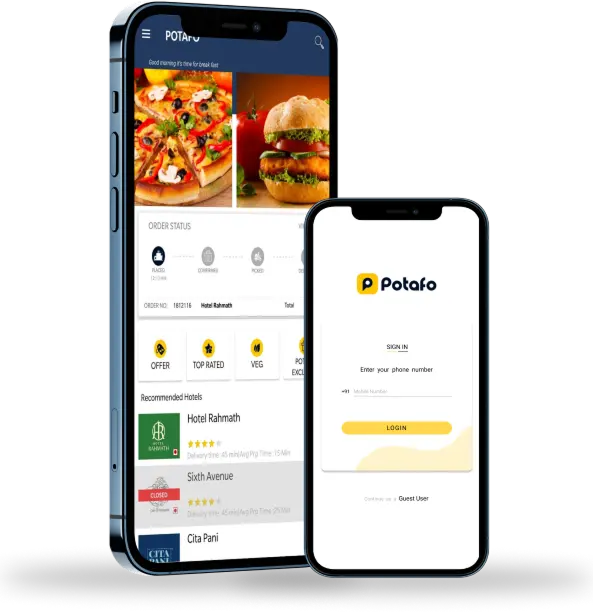
Potafo: Food Delivery App
Potafo is a multi-vendor delivery app for food, groceries, and medicines. Developed by Softkingo, it helps businesses streamline operations and achieve up to 70% business growth.
Country
India
Platforms
iOS Android Web
Techstack
Flutter Python Mysql



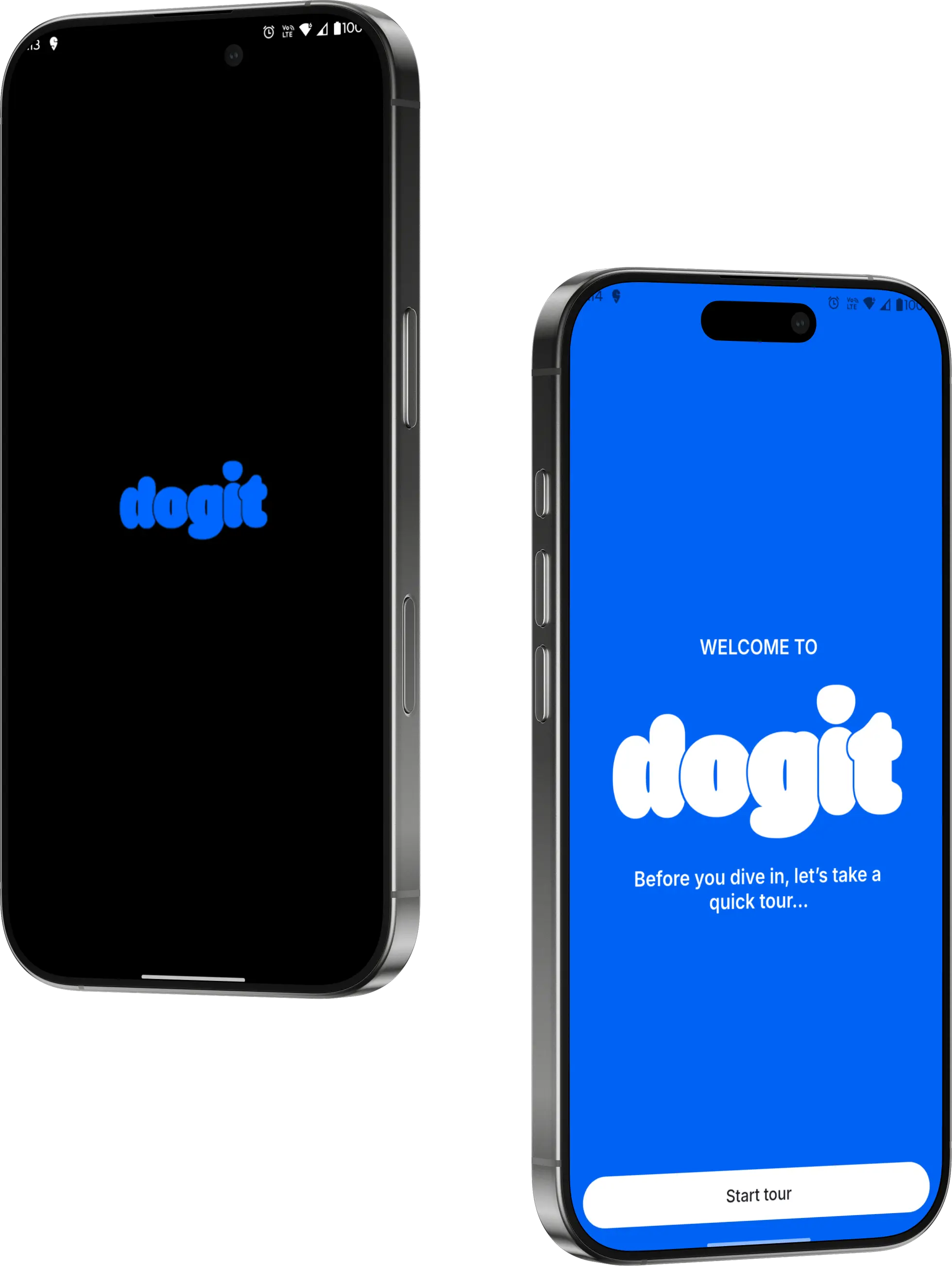
Dogit: Pet Care App
Softkingo developed Dogit, a smart Pet Care App with pet profiles, health tracking, reminders, and appointments. Looking to build a similar pet care app? We can build for you.
Country
Australia
Platforms
iOS Android
Techstack
React Native · Nodejs · Nextjs · Mysql
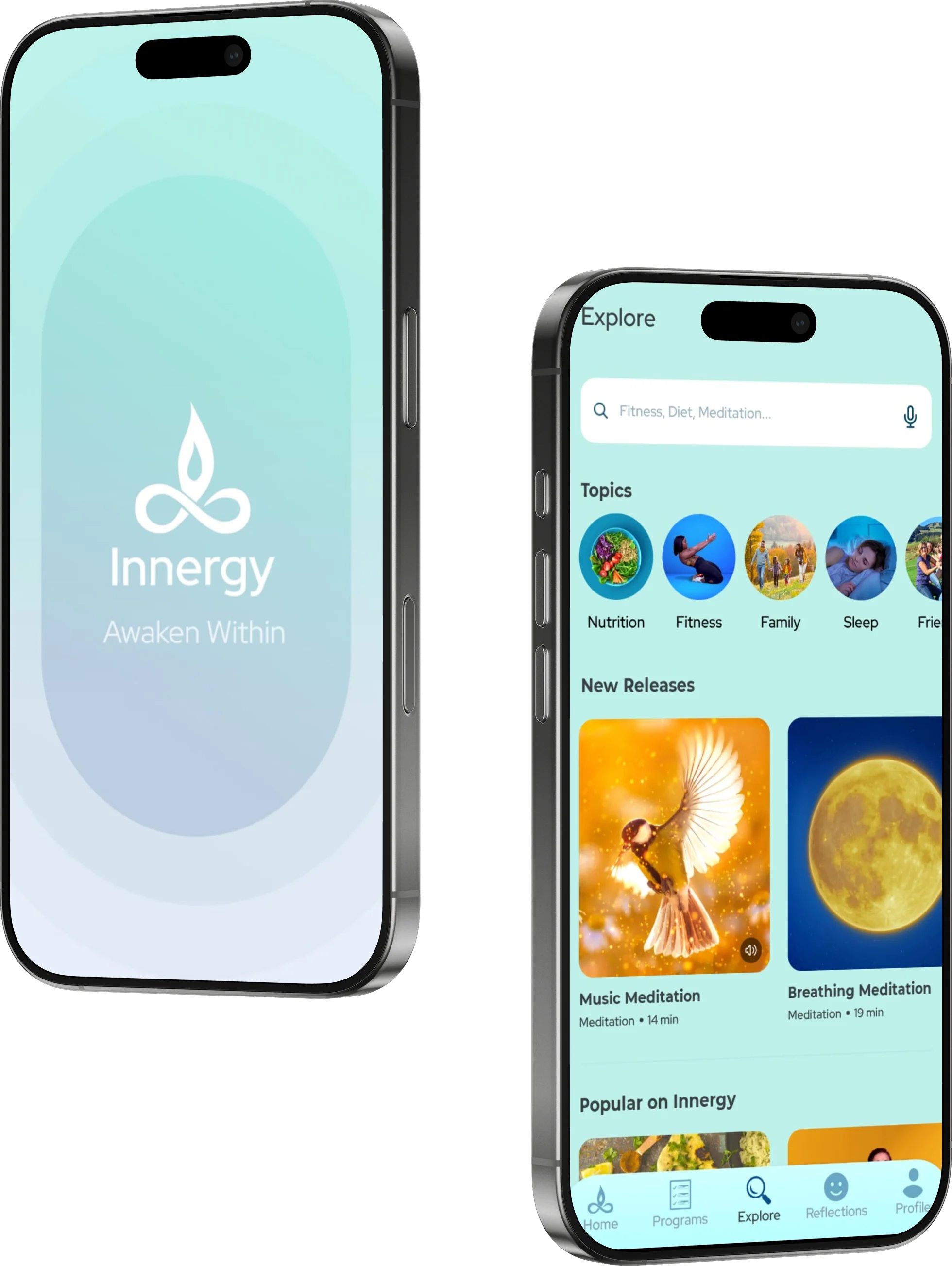
Innergy: Meditation and Wellness app
Innergy is a meditation and wellness app offering guided meditations, stress relief, better sleep, mindfulness, workouts, and nutrition tips for holistic wellbeing.
Country
India, Canada
Platforms
iOS Android Web
Techstack
React Native GraphQL Next.js MySQL
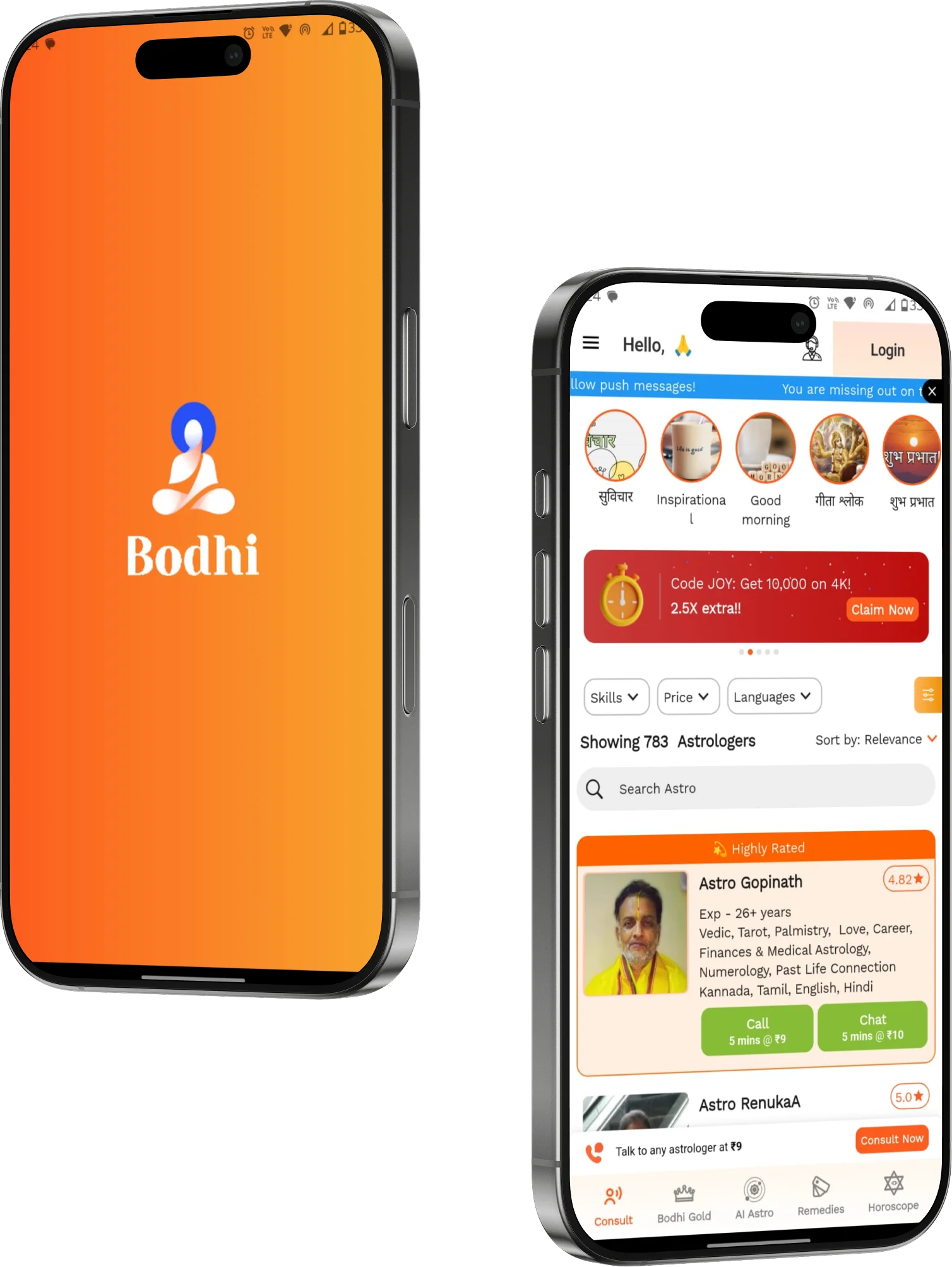
Bodhi: Astrology App
Bodhi is a one-stop astrology app offering calls and chats with expert astrologers, daily to yearly horoscopes, and trusted guidance on love, career, and life decisions today Now.
Country
India
Platforms
iOS Android Web
Techstack
React Native Gatsby JS Nodejs MySQL

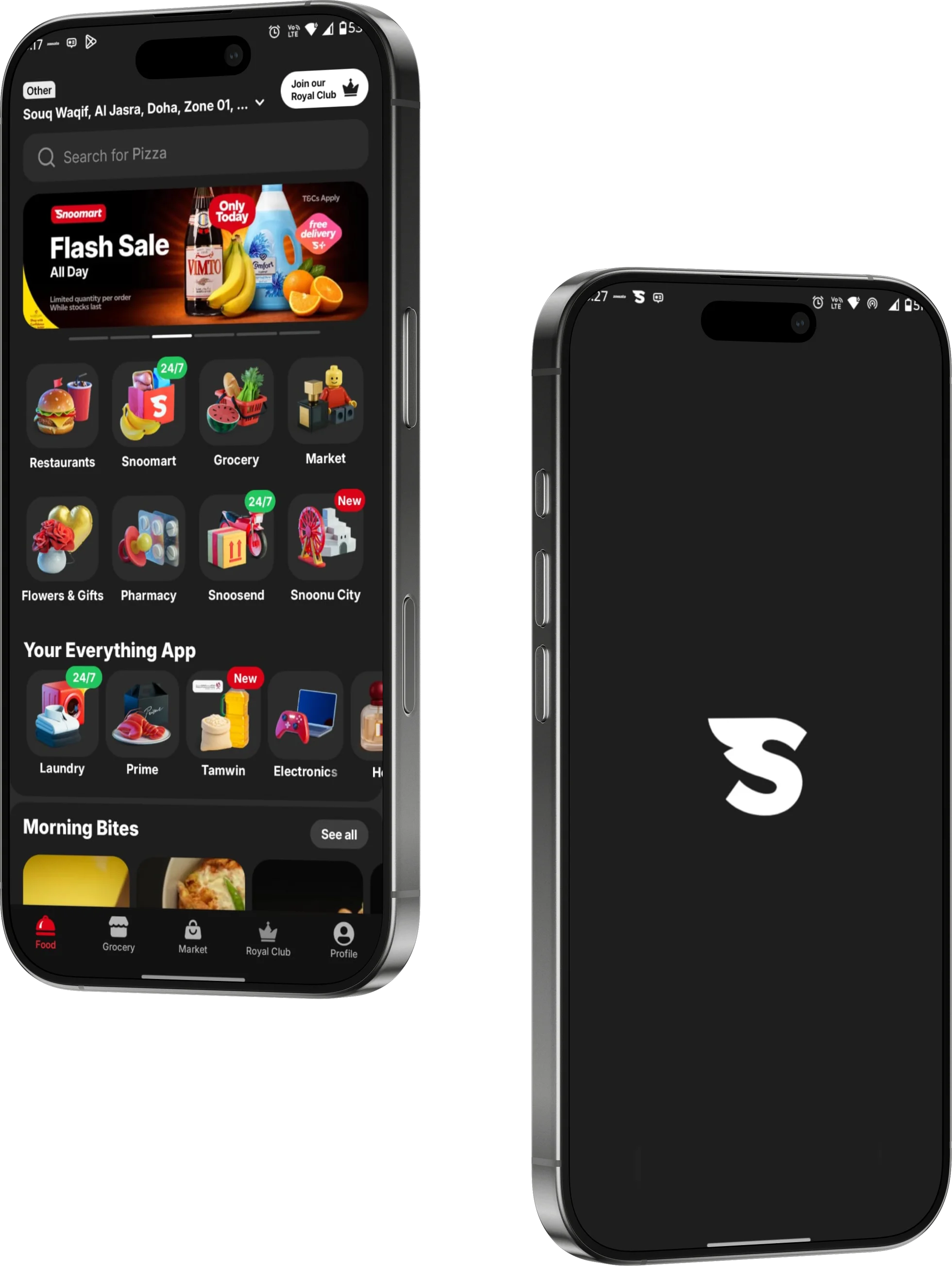
Snoonu - Super App For Food, Groceries & Services
Snoonu is Qatar’s trusted super app, offering fast food delivery, grocery shopping, laundry, car services, and ticket booking—bringing everything you need to your doorstep, and reliably.
Country
Qatar
Platforms
iOS Android Web
Techstack
React Native Nodejs Nextjs Mongodb

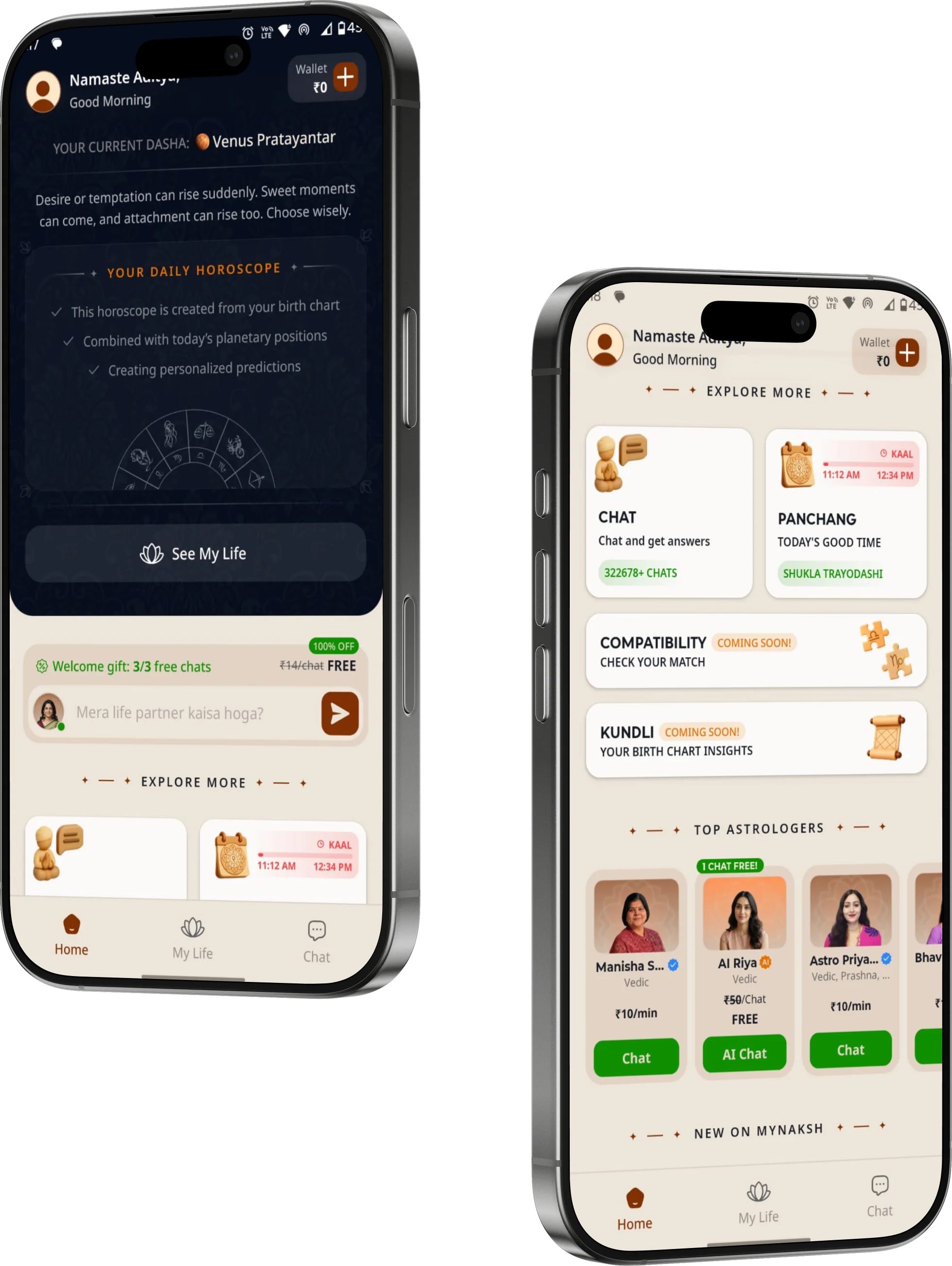
MyNaksh: Astrology App
Mynaksh Astrology is a platform that offers personalized astrological insights based on birth charts, nakshatras, and planetary alignments to guide life, relationships, and career decisions.
Country
India
Platforms
Android · Web
Techstack
Kotlin · Python · Mongodb

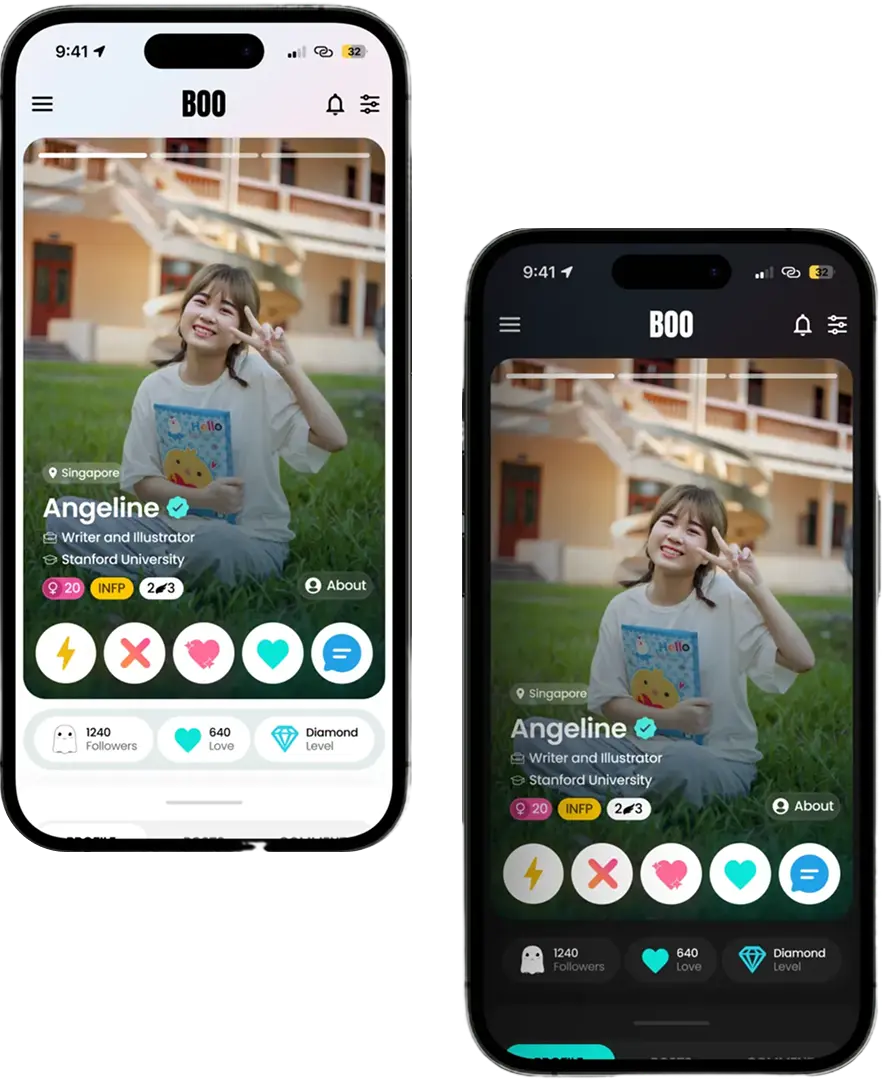
Boo: Dating and Social App
Boo is a dating and social app that matches like-minded friends and partners using personality psychology like MBTI and Enneagram, with deep profiles, interests, and compatibility insights.
Country
USA
Platforms
iOS · Android · Web
Techstack
Flutter · Nodejs · Mongodb
Industry-Focused Software Development
Every sector has different problems — our apps are engineered to match yours precisely, not adapted from a template.Tailored for every sector
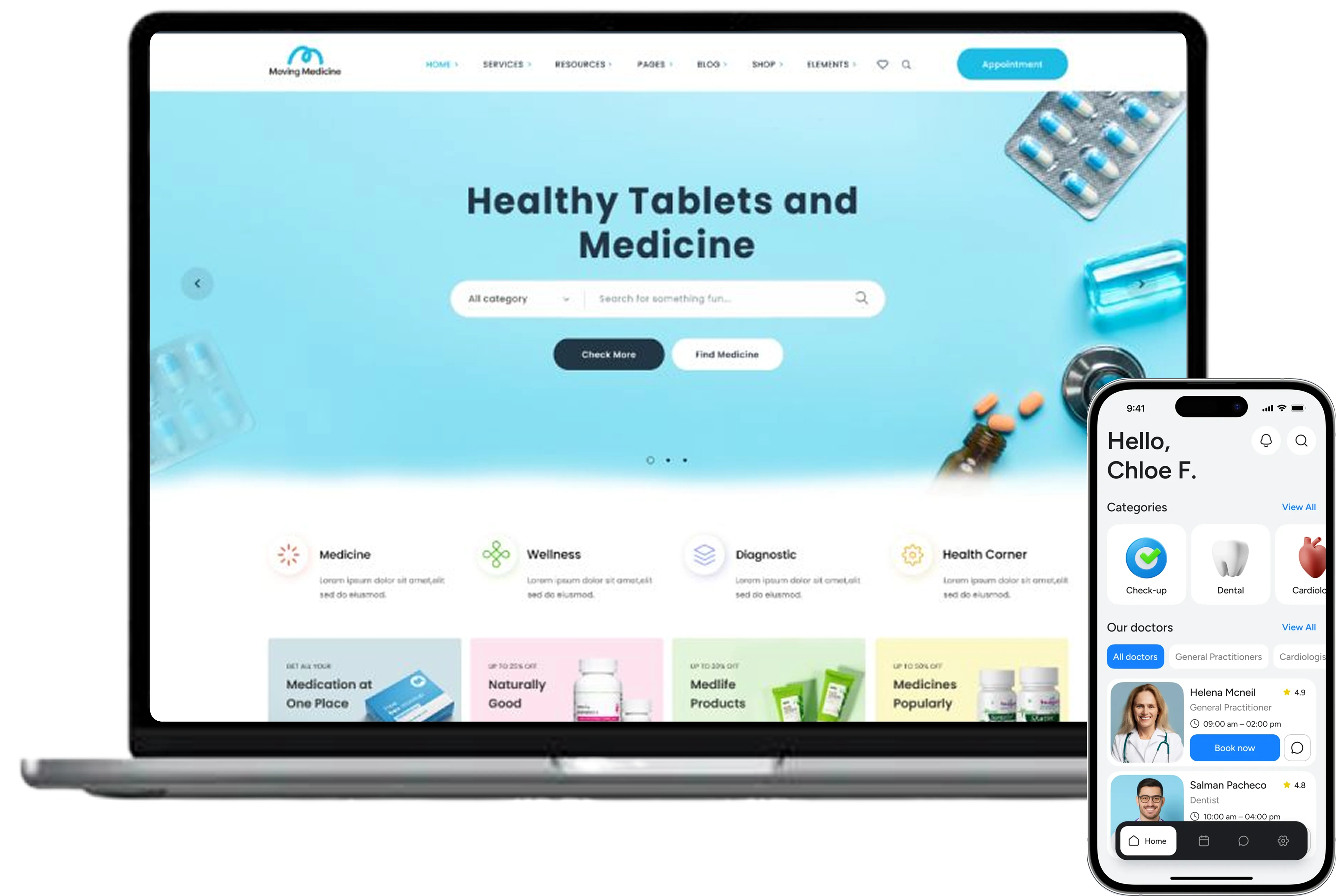
Healthcare
Help healthcare businesses create connected digital experiences that improve accessibility, communication, and patient engagement.
User Guide Technical Documentation
Frequently Asked Questions
Hybrid app development is the process of building a single app that runs across multiple platforms — Android, iOS, and even desktop — using one shared codebase. Instead of writing separate code for each platform, you build once and deploy everywhere, saving both time and cost without giving up broad device reach.
Native development means two separate codebases, two timelines, and two budgets — one for Android, one for iOS. Hybrid changes that: one codebase powers multiple platforms. The difference isn't just technical, it's strategic — you get to market faster without stretching your resources thin.
Yes, with modern frameworks like Flutter and React Native, hybrid apps have closed the performance gap significantly. Most users won't notice a difference in day-to-day performance. What you will notice is how much faster you can launch, update, and scale compared to building separately for each platform.
Cost depends on your app's complexity, features, and design requirements. A simple hybrid app with basic functionality sits on the lower end, while apps with advanced features, custom integrations, and richer UI cost more. At Softkingo, we give you a clear, honest estimate based on exactly what your app needs — no inflated pricing.
JavaScript is widely used for hybrid development, paired with frameworks like React Native, Flutter, and Ionic. These frameworks let us build a single app that runs smoothly across multiple platforms, while still tapping into native device features when needed.
Hybrid development offers several advantages:
Cross-platform compatibility from a single codebase
Cost-effectiveness compared to building separate native apps
Faster development and launch timelines
Offline functionality support
Access to native device features (camera, GPS, etc.)
Easier long-term maintenance
Consistent user experience across platforms
Because it's not just about writing code — it's about knowing which framework fits your use case, avoiding common integration pitfalls, and aligning the app's architecture with your actual business goals. An experienced partner brings lessons already learned from other projects, so you're not paying to make the same mistakes twice. In a market where speed matters, that experience saves real time and money.
Security depends on how the app is architected, not just the framework used. With proper encryption, secure APIs, and the right compliance protocols, hybrid apps can match native apps in enterprise-grade security. At Softkingo, we build security into the app from day one, not as an afterthought.
For businesses in growth mode, hybrid development often works in your favor — quicker market entry, wider platform reach, and the flexibility to test and iterate without rebuilding from scratch each time. It's not just about cutting costs, it's about moving faster while you scale.
Popular apps like Instagram, Skype, and Discord use hybrid or cross-platform technologies for parts of their app, combining shared codebases with native performance where it matters most — showing that hybrid apps can absolutely deliver a smooth, reliable user experience at scale.
Hybrid app development continues to grow in adoption because it's faster, more cost-effective, and less resource-intensive than building fully native apps for every platform — making it an increasingly practical choice for businesses that want to move quickly without compromising on quality.
What Our Clients Say
Real feedback from teams we've worked with—focused on delivery quality, communication, and outcomes.
The team at Softkingo showed exceptional professionalism in developing and designing our brokerage firm's mobile app. They took full ownership of the project, ensuring our needs were met and delivering a high-quality product that exceeded expectations.

Steve Coast
Owner, Crestone Business Group, US

Their SEO services for our healthcare company have been outstanding. With their dedication and expertise, they’ve significantly improved our online presence. They are a valuable partner for achieving long-term digital success. Highly recommended!

Andrew Schultz
Founder at Deleela Mobile App, UAE
What Our Clients Say
Real feedback from teams we've worked with—focused on delivery quality, communication, and outcomes.
The team at Softkingo showed exceptional professionalism in developing and designing our brokerage firm's mobile app. They took full ownership of the project, ensuring our needs were met and delivering a high-quality product that exceeded expectations.
Steve Coast
Owner, Crestone Business Group, US
Their SEO services for our healthcare company have been outstanding. With their dedication and expertise, they’ve significantly improved our online presence. They are a valuable partner for achieving long-term digital success. Highly recommended!
Andrew Schultz
Founder at Deleela Mobile App, UAE
I highly recommend Softkingo, a top-notch web developer who exceeded my expectations with exceptional expertise. They re-developed our app and website. Recently our efficiency as increase by 80%.

Leah Carney
Senior Business Development Associate at Haddad Brand

Softkingo did an excellent job with the mobile app development and design for our accounting firm. The app is user-friendly, professional, and perfectly tailored to our needs. Highly recommend their services!

Ersin Asutay
Founder & CEO at Aydan Smith, London, UK

Softkingo developed a fantastic, user-friendly mobile app for our real estate agency. It’s visually appealing, feature-rich, and boosted engagement, sales, and operations with a tailored solution.

Jessica Wychico
Personal Growth Advocate at The Agency RE
This is an exceptional work process all through, that we could get an app to track each building project to finishing is amazing. We recommend Softkingo.

Joseph So
Senior Electrical Engineer at GIMS M&E Consultant, Singapore
The team delivered exceptional mobile app development for our home decor company, consistently exceeding expectations. They addressed our needs effectively and ensured we were fully satisfied with the results.

Anurag Agrawal
Co-Founder at Nestasia, India
We needed an app for easy transaction and tracking customers for financial services and they delivered. Their team was responsive, professional, knowledgeable and they delivered a top notch service

Patrick Davis
Corporate Strategy Director at Finastra, London, UK
This guys are so exceptional, they completed a ui/ux website design that excels in combining clean aesthetics with easy navigation. Thank you so much Would definitely use their services everytime.

James
Co-Founder & CEO, London, UK
Thanks for the timeless innovations you make use of when building apps, I have experienced about 6% increase in app downloads since i decided to get my app redesigned. you dii well for me, thanks

Markwell Robert John
Managing Director, UK
Let's Connect
Reach out to us from anywhere in the world.

Quick Inquiry