


Smartphone users are increasingly looking for ways to unplug and unwind. For many, that means uninstalling or disabling social media apps or even switching on airplane mode just to escape the constant noise. It’s a common sentiment—people often feel that mobile apps contribute to rising anxiety and mental fatigue.
This perception began to shift with the rise of wellness apps like Calm and Headspace, which offer simple, effective tools to relax, meditate, and manage stress. Studies show that the demand for these kinds of apps has been growing rapidly.
Because of this surge in interest, wellness app development is becoming more popular than ever. Mindfulness and relaxation apps have become a go-to choice for people searching for healthier coping methods. Calm and Headspace were among the first to bring this digital wellness experience to the mainstream.
Market Value of the Meditation and Wellness Industry
The meditation and wellness industry is thriving, with a massive valuation of $4.5 trillion. Its growth is powered by both physical and digital wellness brands—many backed by celebrities—and embraced by users in the U.S. and around the world. As people place more emphasis on mental and physical well-being, they’re turning to practical tools that make relaxation and meditation easier.
Rising demand naturally brings higher revenue and investment. In 2020, for example, the Headspace app secured around $140 million in funding.
Between 2015 and 2020, nearly 2,500 meditation apps were launched in app stores. With such a wide selection available, there’s something to fit every preference and lifestyle.
Looking ahead, the wellness app market is projected to grow at an annual rate of 41.3%, potentially reaching $4,377.95 million by 2027.
What Is a Wellness App?
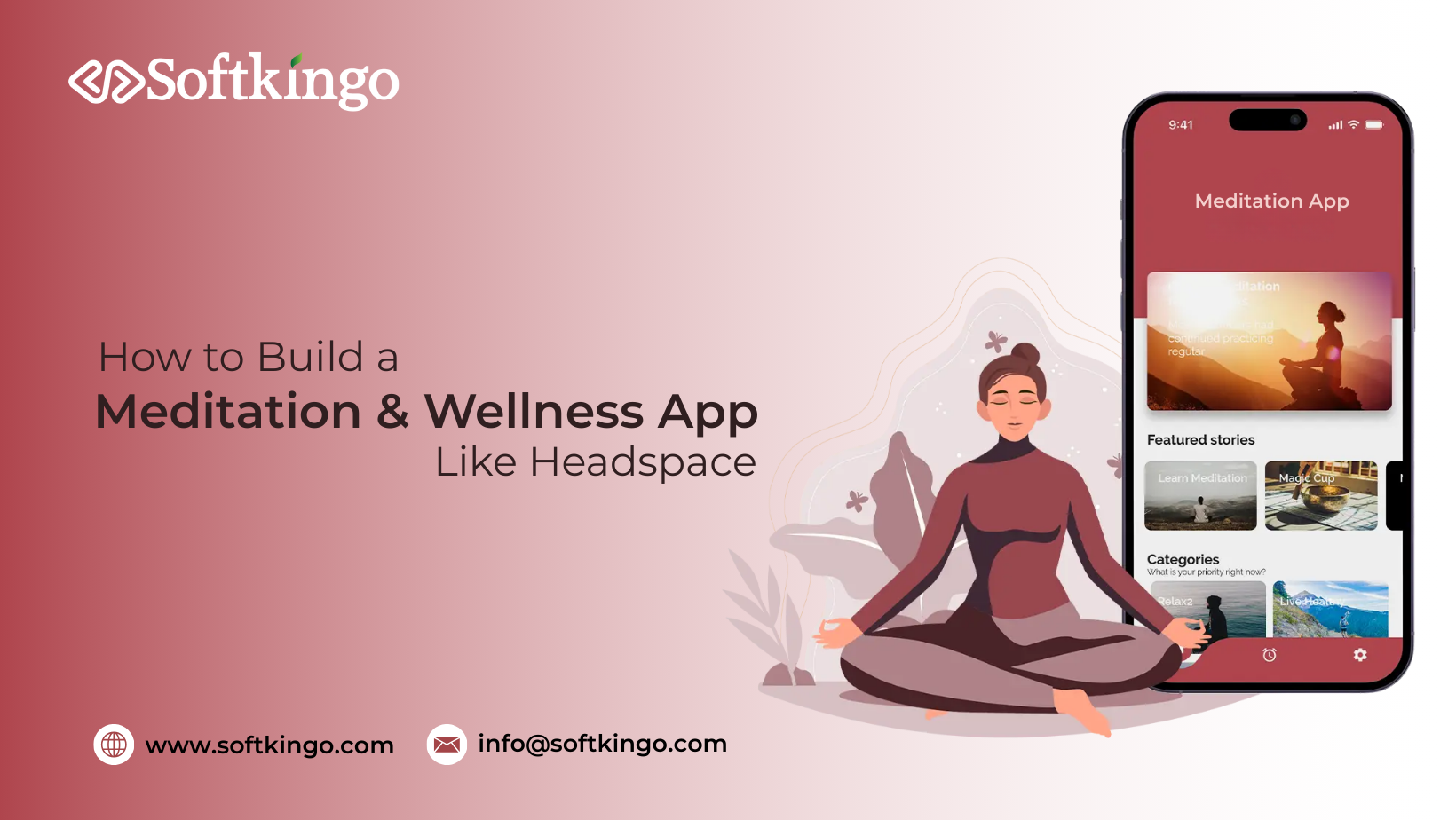
A wellness app is a mobile application designed to guide users through activities that support their mental and emotional well-being. By using modern technology, these apps make traditional mindfulness practices more accessible and easier to fit into everyday life.
At their core, wellness apps use calming visuals, soothing audio, and step-by-step guidance to help users relax, focus, and become more aware of the present moment. Whether it’s breathing exercises, body-scan sessions, or gentle background sounds, the goal is to create a peaceful experience—almost like having a personal wellness coach right in your pocket.
Many apps go beyond real-time meditation sessions. They often include progress tracking, personalized reminders, habit-building tools, and even community features that help users stay motivated. In short, wellness apps make it simpler to weave mindfulness into a busy schedule through convenient, thoughtfully designed digital support.
Headspace: A Leading Wellness App
Headspace is one of the most popular meditation and wellness apps available today. Launched in 2012, it offers guided sessions focused on reducing anxiety, stress, and overall mental clutter. The app works across iOS, Android, and browser platforms, making it accessible to practically everyone.
Headspace has even expanded beyond mobile devices with a Netflix series, where each episode walks viewers through a different meditation exercise. This unique approach has helped bring meditation into mainstream entertainment.
Categories of Wellness Applications
Although the wellness app industry doesn’t follow a strict classification system, most apps fall into a few general categories. Understanding these can be especially helpful for entrepreneurs and developers planning to enter the wellness and digital health market.
1. Mindfulness & Meditation Apps
Meditation apps often combine calming music, gentle vibrations, mantras, and peaceful soundscapes to help users start or end their day with clarity. Many include helpful features such as meditation timers, sleep stories, session reminders, progress logs, and even online communities where people connect through platforms like Twitter, Facebook, or Instagram.
2. Social Networking Wellness Apps
Some wellness apps focus on community and connection. These platforms bring together people with similar wellness goals and allow them to participate in live sessions led by well-known health and wellness experts. Users can share their experiences, learn from others, and feel part of a global community focused on well-being.
3. Basic Guided Wellness Apps
This category includes apps that provide simple, easy-to-follow guidance on managing stress, building healthy habits, and improving overall well-being. They often come with real-time monitoring, tutorials, tips to combat anxiety, and classes for beginners. Headspace is a great example—it uses animations, videos, and short classes to make wellness approachable for newcomers.
4. eLibrary Wellness Apps
Some wellness apps act as a digital library, offering educational content, expert-written articles, lessons, and practical tips. These apps are ideal for users who want to deepen their knowledge of mindfulness or fitness techniques. For businesses, investing in this type of wellness app can be a strong strategy, as users are always seeking reliable, easy-to-understand information.
Major Challenges of Developing a Wellness App Like Headspace
You will discover many benefits when you develop an app such as Calm or Headspace. There are a lot of challenges too.
Developing a wellness and meditation app like Headspace is not without its challenges. You might face numerous problems while creating a wellness application for your customers, such as lengthy loading times and the high cost of subscriptions. Below, we’ve laid out the most common challenges:
Need for Content Localization
For app localization, creating multilingual apps can cause a variety of issues. Also, it will be difficult for your app’s contracted partners to overcome these challenges and provide the app within the schedule you have set.
Slow Loadings and Inconvenience
The most difficult task for the app developers you employ is providing your application with various options without sacrificing ease of use or loading speed. Speed of loading is a major factor in customer retention and is directly related to the user’s convenience.
Trust Building
The market is flooded with apps that promote mindfulness. However, only a handful have strong research-based support. This is why customers are confused about which apps to choose from. It is difficult for businesses to win their clients’ trust and keep them on their platform. However, it is possible to ensure your app’s functionality has the right amount of transparency.
Steps to Develop a Wellness App Like Headspace
Following the essential steps to succeed when developing a wellness app is crucial. Here are the steps that will help you create an excellent wellness and meditation app.
Finalize your App Idea
Choosing the idea behind your app is crucial before partnering with a custom wellness app development company. Wellness apps are developed to provide specific services. This is a brief overview of the different types of wellness apps that are currently available.
Guided Wellness Apps
Guided wellness apps offer a variety of sessions led by experienced instructors and cater to the user’s needs, such as stress, sleep, and SOS meditations.
Mindfulness and Stress Reduction Apps
They are focused on reducing stress by promoting mindfulness throughout the day. These apps typically include deep breathing exercises, relaxation methods, and stress monitoring.
Community and Social Wellness Apps
The apps in this category focus on creating a community of like-minded people who practice meditation together and talk about their experiences. They provide a geolocation-based group connection.
Creating UI/UX
Your wellness program should align with your goals. An easy-to-use interface and UX can greatly influence acceptance and retention since it is focused on sensitive subjects such as stress and anxiety.
Users who experience these issues may be upset if the application’s navigation is confusing, the color options are limited, or there are other design problems.
Here are some tips to consider when designing an application like Headspace.
- Opt for soft pastel shades such as millennial pink, playful yellow, and lavender.
- You should aim for a relaxing initial user experience. Avoid excessive design elements.
- Prioritize animations above text to describe wellness practices and complicated topics or convey a fairytale-like story.
Choosing the Mobile App Platform
Firstly, you need to look over the demographics of your Android or iOS users. Based on this, you can decide whether you’d like to develop Android or iOS apps. Other aspects like preference locations, income level, and education are important considerations when selecting your mobile app’s platform.
Your budget determines your choice of mobile app platform. Additionally, choosing a cross-platform or native platform will impact the costs of wellness apps. Native apps will incur more costs than hybrid options.
Introduce Gamification
Implementing the right marketing strategy and a social media strategy can get your app the first 1000 downloads. But the main problem is turning these initial users into active users and influencing them to join subscription plans, making the revenue-generating process for the long-term sustainability of your app easier.
To accomplish this, you should incorporate gamification into your application. For example, you could track points or badges for users who have completed wellness sessions.
Everyone competes at some point. Some prefer competing against other players, while others return to keep their personal streak running. The constant desire to maintain an impressive score will boost your KPIs and the number of paid subscriptions. It is possible to run an A/B testing on your customers to determine what gamification strategy they’re most likely to be engaged with.
Create an MVP
Before you create a mobile app to promote your wellness program, it is vital. Because app development is likely to be costly, it is suggested that you first develop a Minimal Viable Product (MVP).
This strategy not only allows you to save money but also allows you to identify and understand the user’s behavior and preferences. Your knowledge can guide you to include features that are highly demanded during the next phases of development.
We advise against including complicated features like video streaming, in-app payment, and chat modules. Instead, your wellness app could include features like:
- User sign-up / sign-in
- Customer profiles and tracking of progress
- Mindfulness and wellness short introductory classes
- Pre-recorded session recordings of a limited number
- Gamification features to increase the user’s engagement
Must-Have Features for a Wellness App
If you’re building a wellness app like Headspace or Calm, including the right features can make all the difference in user experience, engagement, and retention. Here are some essential elements to consider:
1. User Profiles & Personalization
When users sign up, they should be able to create a profile that stores relevant personal information, preferences, subscription details, and customized wellness sessions. Keep it simple—don’t ask for unnecessary details. The goal is to make the app feel personal and tailored to each user.
2. Courses & Programs
Once users are comfortable navigating your app, provide structured wellness courses and programs. Many apps, like Headspace, start with free introductory programs, typically with several sessions or chapters. Completing these can unlock advanced programs, encouraging continued engagement and progression.
3. Push Notifications
Push notifications keep users informed about new content, updates, offers, or subscription plans. Done right, they gently remind users to stay consistent without feeling intrusive.
4. Easy Sign-Up & Login
The onboarding process should be fast and hassle-free. Allow users to sign up or log in using email, phone number, or social media accounts like Facebook or Twitter. A smooth registration process increases the chances of user retention.
5. Introductory Tutorials
Onboarding tutorials help users understand the app’s features and guide them through basic exercises. Keep tutorials concise, visually appealing, and easy to follow so users can start benefiting from your app immediately.
6. “Discover More” Section
A dedicated screen to showcase trending courses, programs, or newly added content helps users explore and stay engaged. You can also personalize this section based on their interests and previous activity.
7. Media Player
Audio guidance is central to meditation apps, so your app needs a reliable media player. Include streaming and offline download options for meditation sessions. If you offer yoga or workout videos, a video playback feature is essential. For content protection, consider encryption to prevent unauthorized sharing.
8. Personalized Recommendations
Leverage AI and machine learning to analyze user behavior and suggest relevant meditations, courses, or exercises. Recommendations based on previous activity, preferred topics, or even specific instructors can significantly enhance the user experience.
9. Trackers & Statistics
If your app focuses on wellness goals—like weight management, mood tracking, or mental health—integrating trackers is crucial. Users can log moods, track progress, or measure habits. These insights help them identify patterns and stay motivated toward their goals.
10. Support & Assistance
Providing support builds trust and helps retain users. This can include real-time chat with instructors or a chatbot for guidance, FAQs, and troubleshooting. New users especially appreciate accessible support when learning meditation or wellness practices.
11. Wearable Integration
Modern wellness apps can integrate with smartwatches and fitness trackers. This allows users to receive reminders, start breathing exercises, or track progress without even opening their phones, making mindfulness more seamless and accessible.
Monetization Methods for Wellness Apps
Developing a wellness app like Headspace can be a lucrative venture—but turning your app into a sustainable business requires a smart monetization strategy. Here are some of the most common ways to generate revenue from your wellness app:
1. Subscription Model
The subscription model is one of the most popular and profitable options. Users pay a monthly or yearly fee to access all the features your app offers. This approach provides a predictable cash flow and helps maintain long-term user engagement. For example, Headspace charges $12.99/month or $94.99/year, while competitors like Calm and Welzen offer yearly plans around $59.99.
2. Ads
Advertising remains a common revenue source for many apps. By displaying ads, your app can remain free to download, attracting more users while generating revenue from ad impressions and clicks. This model works particularly well for apps aiming for wide adoption.
3. Pay-Per-Download
Although less common today, some apps still use the one-time pay-per-download model. While it can be a barrier for some users, it ensures that each download directly contributes to revenue. This model works best for apps with a strong, unique value proposition.
4. In-App Purchases
In-app purchases allow users to buy access to premium content or features without committing to a full subscription. Pricing is typically moderate—around $3–$4 per purchase—and can be ideal for users who prefer flexibility over recurring payments.
Cost of Developing a Wellness App Like Headspace
Building a wellness or meditation app similar to Calm or Headspace can be a significant investment. A full-featured, polished product can cost around $250,000. However, if your goal is to launch a strong prototype with only the most essential features, development costs can be kept within the $80,000–$100,000 range.
Here’s a simple breakdown:
Prototype: Approximately $20,000
Mobile App Development: Around $35,000
CMS (Content Management System): About $15,000
These numbers can vary based on features, design complexity, platform choice, and development team location. If you're exploring this route, feel free to reach out to learn more about potential development costs and what your project might require.
Strategies to Reduce Wellness App Development Costs
To keep your budget under control, consider these cost-saving approaches:
Start with rapid prototyping: Test your ideas early to avoid expensive rework later.
Build an MVP instead of the full product: Focus on core features first, then expand as you grow.
Use open-source tools: Leveraging existing frameworks can speed up development and reduce the need for custom builds.
How to Market Your Meditation App and Reach More Customers
Once your app is live in the app stores, the next major step is building a strong user base. Effective marketing not only helps you grow your audience but also sets the stage for future monetization. Here are some of the best strategies to promote your wellness or meditation app.
App Store Optimization (ASO)
App Store Optimization works much like Search Engine Optimization (SEO), but instead of ranking on Google, you're improving visibility within app stores like the Apple App Store and Google Play. ASO focuses on optimizing your app’s title, keywords, descriptions, and even your visuals to help your app appear higher in search results.
If you already understand SEO principles, applying them to ASO will feel familiar. Strong ASO increases your chances of being discovered organically—saving you money while growing your audience.
Google Search Ads
Google Search Ads, a form of pay-per-click (PPC) advertising, allow you to promote your app by showing ads to people searching for terms related to your wellness solution. You only pay when someone actually clicks your ad, making it a cost-effective way to reach users with specific interests.
Running Google Ads can help boost brand awareness and attract people actively looking for meditation, relaxation, or wellness tools. Start with small test campaigns to see what resonates best, then scale up as you learn what works.
Tips to Make Your Wellness App Successful
If you're planning to build a wellness app like Calm or Headspace, keeping a few best practices in mind can increase your chances of success.
Add a Helpful Search Bar
No matter how well your content is organized, users appreciate having a quick way to find exactly what they need. Including a search bar makes the experience more intuitive and helps users get straight to the sessions or resources they’re looking for.
Explore AR/VR Features
Emerging technologies like AR and VR can take the meditation experience to a whole new level. These tools can help users confront anxieties, immerse themselves in calming environments, and experience deeper relaxation. Before jumping in, work closely with your development team to brainstorm ideas and plan how these features will fit into your app’s overall vision.
Build an MVP First
The size of your budget doesn’t determine the quality of your minimum viable product (MVP). What matters most is testing your idea early. An MVP allows you to launch a simple version of your app with only the essential features. This helps you gather real user feedback, understand what people like or dislike, and refine your concept before investing in full-scale development.
Creating an MVP also saves time and resources, allowing you to enter the market faster while building toward a more complete, user-focused final product.
The Key Takeaway
Mindfulness apps are more popular than ever, with millions of people turning to meditation to unwind, stay focused, and find balance. For entrepreneurs, this growing interest creates a promising opportunity to build a meaningful and successful business.
If you’re considering creating a meditation or wellness app, there are several important steps to keep in mind. Start with thorough market research—understanding your audience helps you decide which platforms to build for and which features matter most. Focus on essentials that provide real value, all within a single, easy-to-use app. It’s also important to choose a monetization strategy early on so your app can remain sustainable and profitable.
Once the foundation is set, the next major phase is UX/UI design. This is where your app truly comes to life. A clean layout, calming colors, and an intuitive user flow can make all the difference in how your audience feels when using your product.
In the end, wellness apps do more than generate revenue—they offer support, peace, and guidance to people around the world. Creating one not only opens the door to a strong business opportunity but also allows you to make a positive impact on the well-being of others.
Paramhans Singh is the CEO and founder of Softkingo Technologies, bringing over 8 years of experience in delivering custom software solutions that help startups and enterprises achieve their business goals. He has successfully validated more than 220 app and website ideas and delivered over 100 tailored solutions, utilizing a range of technologies such as Swift, Kotlin, React Native, Flutter, PHP, RoR, IoT, AI, NFC, AR/VR, Blockchain, and NFTs.
More from our blog
See all posts